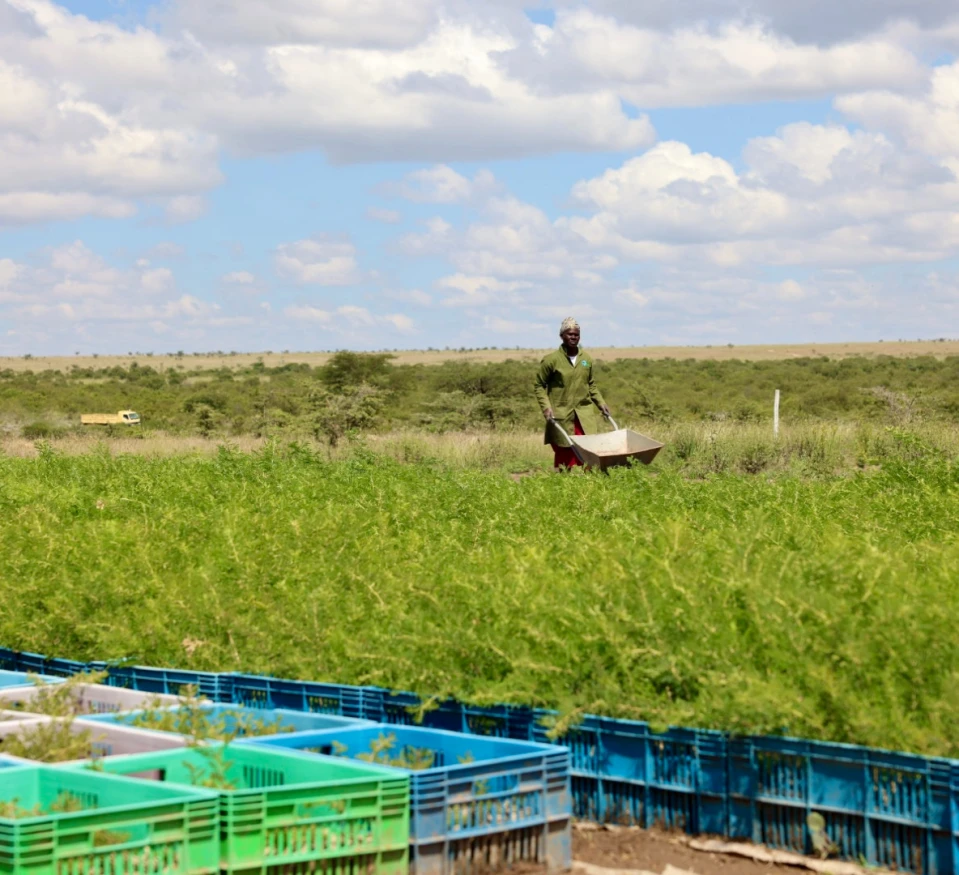
The "Tree of Life" initiative is at the heart of a vast ecological restoration effort being implemented on Segera Conservancy in the Laikipia region of Kenya. The aim is to restore and regenerate the landscape into a resilient and productive ecosystem by actively involving local communities.
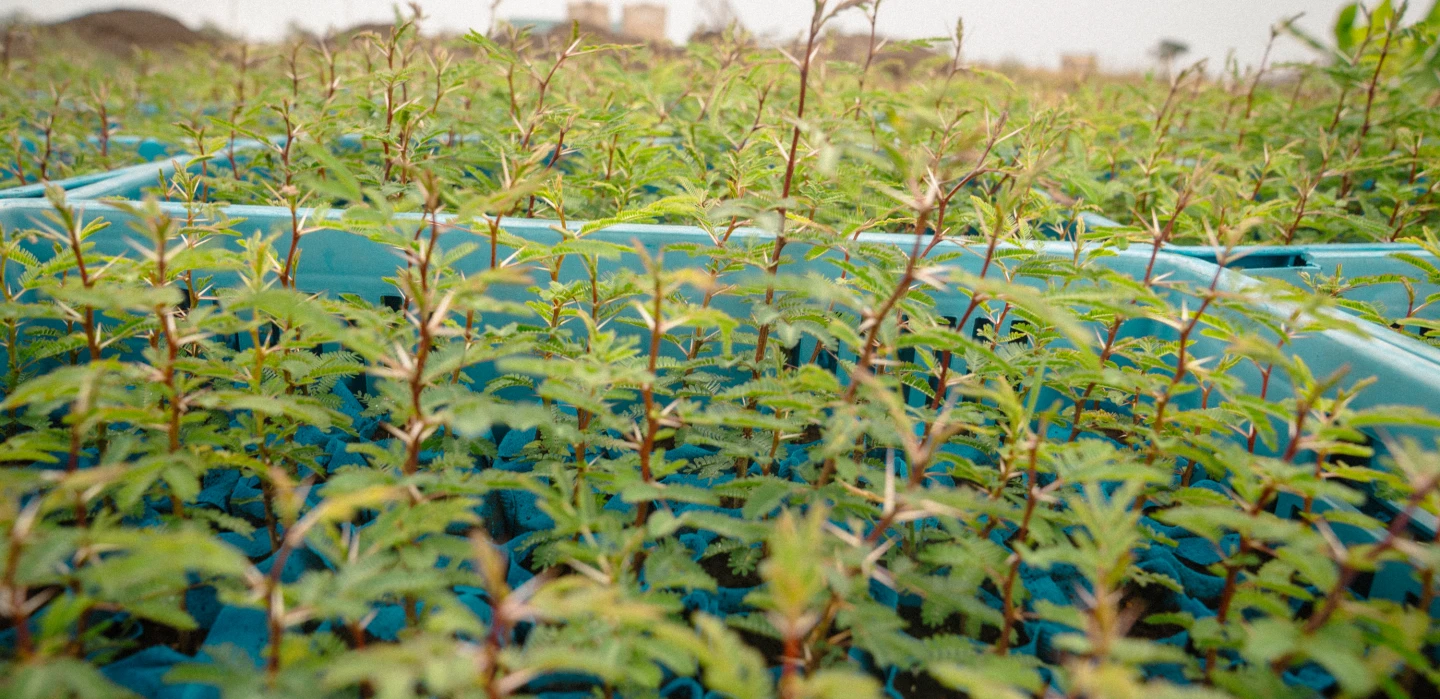
The "Tree of Life" initiative is part of a vast ecological restoration effort being implemented on Segera Conservancy in the Laikipia region of central Kenya. The aim is to restore and regenerate the landscape into a resilient and productive ecosystem by actively involving local communities. More than 1.6 million native trees have already been planted, and the overall target of 3 million trees will help to enhance biodiversity, restore soils and improve local livelihoods.
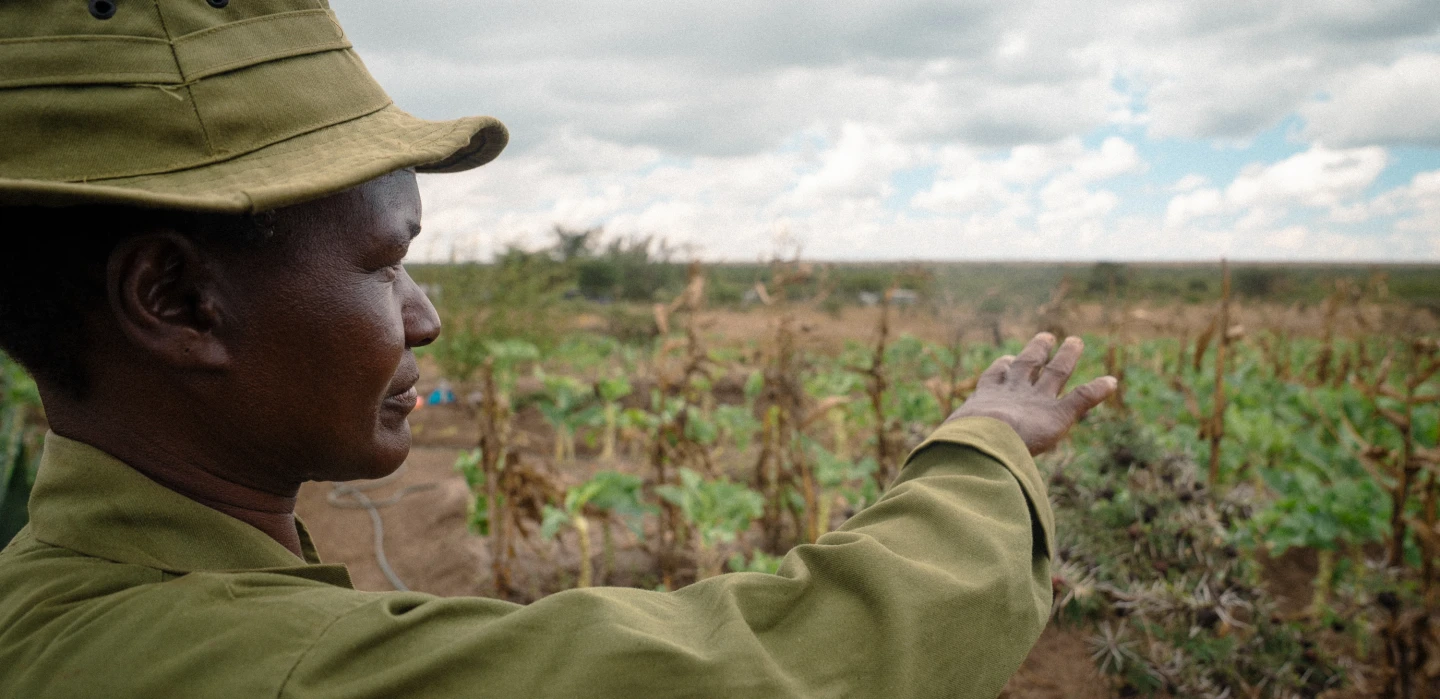
The project is being rolled out at a time when Kenya’s ecosystems are being severely degraded by the fragmentation of habitats, prolonged droughts, deforestation, soil erosion, demographic growth and rural poverty. Communities that depend on natural resources are particularly at risk, and restoring landscapes is an essential lever of their resilience.
In this context, "conservancies" – natural protected areas managed by communities, private owners or mixed partnerships – play a key role. They cover 17% of the country, protect the majority of the wildlife living outside national parks and directly support a million households. Stretching over 20,000 hectares and combining conservation, community engagement and sustainable economic development, Segera Conservancy is a perfect example of this model. The "Tree of Life" initiative is one of its pillars, also disseminating restoration practices beyond the boundaries of the reserve by working closely with pastoral and farming communities.
Its objectives are as follows:
- To increase tree cover by planting and maintaining 300,000 additional native trees each year.
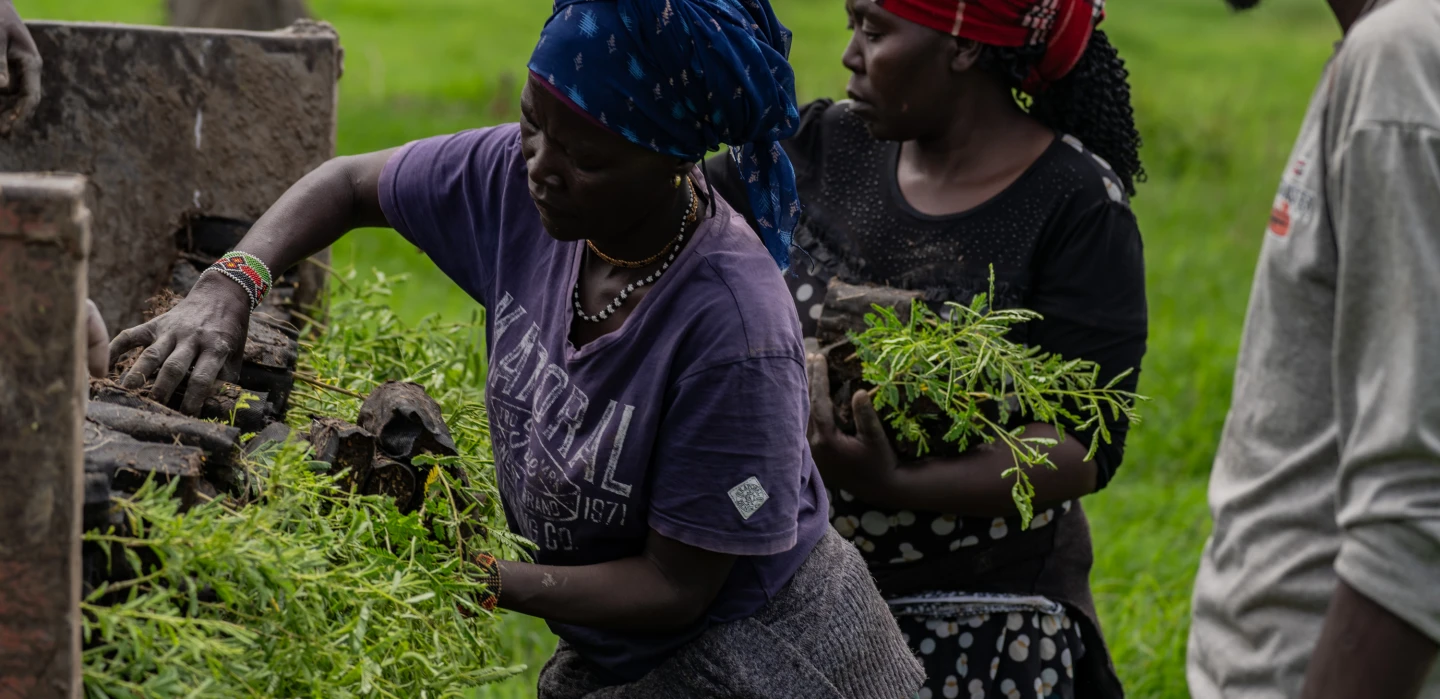
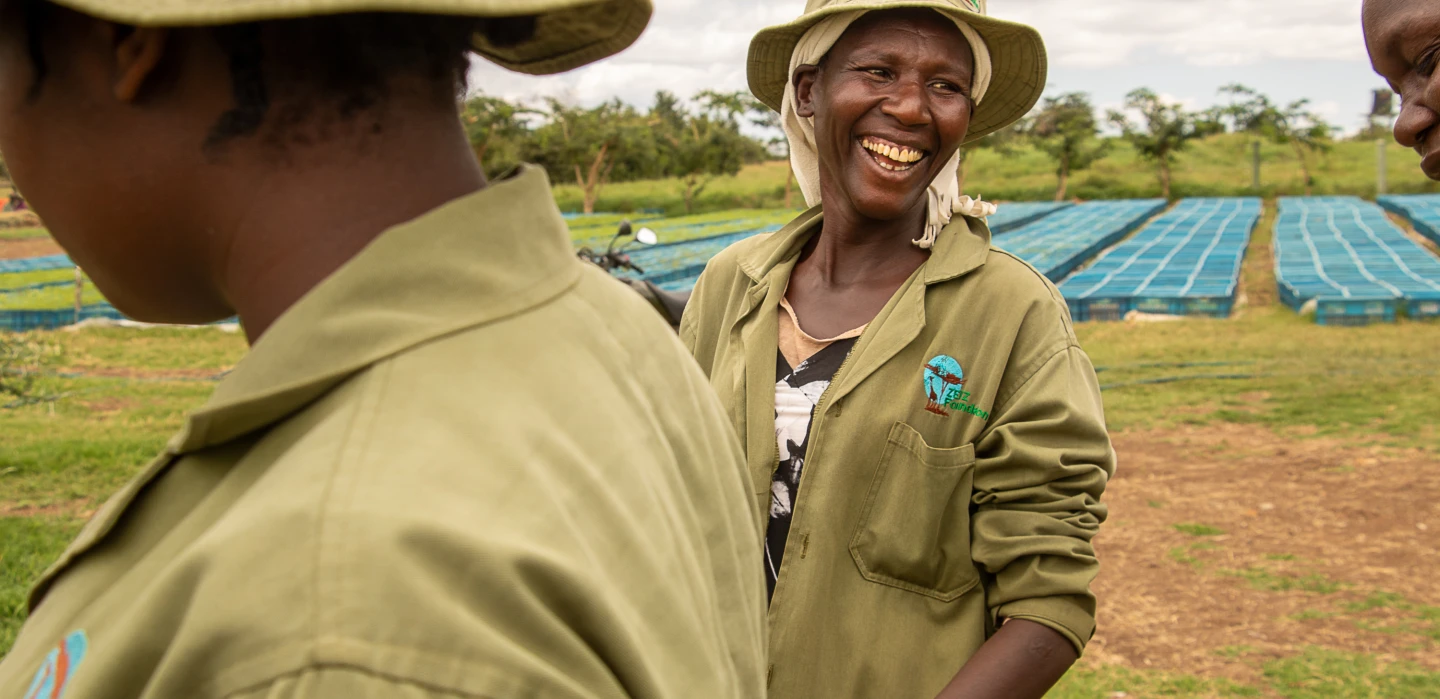
- To train 30 women in nursery management, permaculture and ecological restoration.
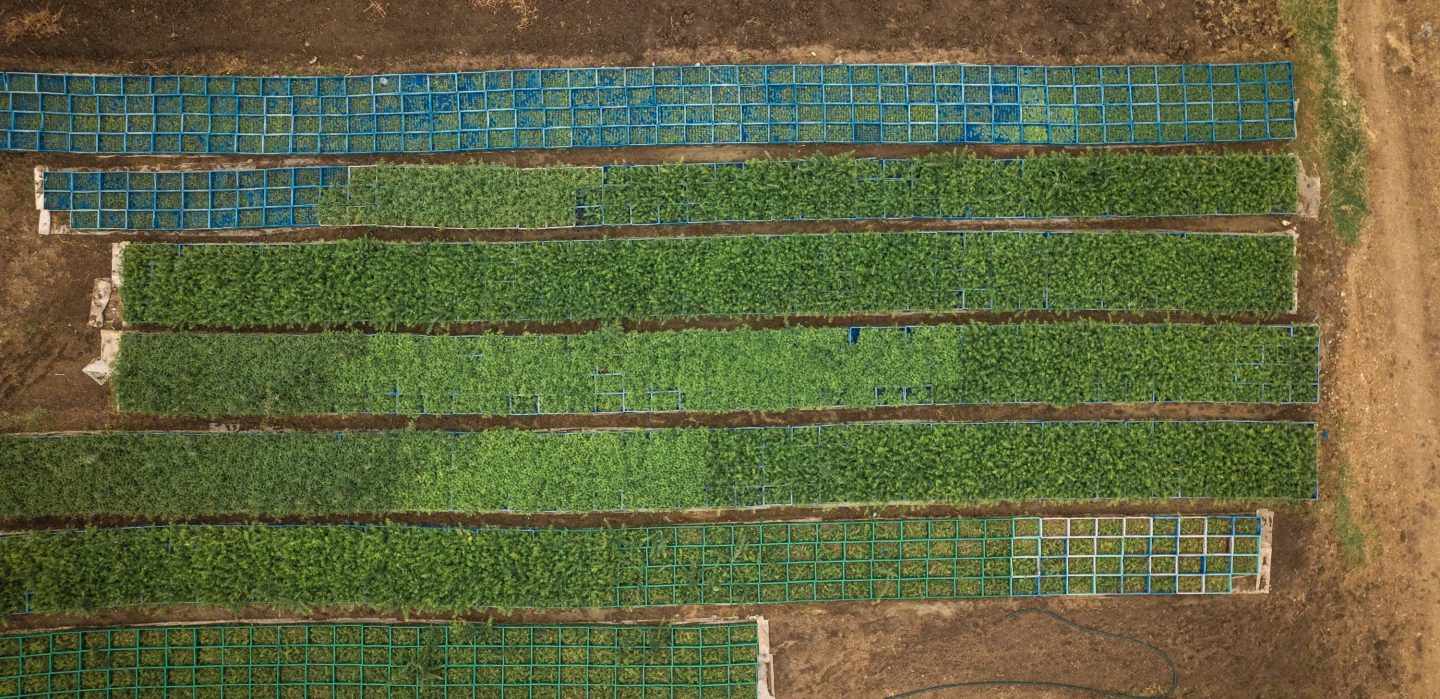
- To create a community nursery that produces 100,000 seedlings a year and to study the possibility of setting up a seed bank.
- To help 100 small farmers adopt sustainable farming practices and create a producers’ collective.
- To set up a livestock-to-market programme for 50 pastoral households to improve market access, reduce overgrazing by 20% and formalise grazing agreements in periods of drought.