Kenya’s restoration targets – 5.1 million hectares under the Bonn Challenge and 15 billion trees by 2032 – are largely met through fast-growing exotic species. While these trees provide cover, they fail to restore functioning ecosystems.
The Eastern Africa Coastal Forest (EACF) is among the world’s most threatened habitats, with only 3.8% of its natural vegetation intact, making it one of the biodiversity hotspots with the least remaining cover. Kenya’s share is ecologically vital, hosting 1,127 native tree species, including 146 threatened species, and culturally significant through sacred Kaya forests, which provide clean water, cooler microclimates, and resources for hundreds of thousands of people.
Yet these forests face severe degradation from agriculture, settlement, and tourism. In Kilifi, Kwale, and Tana River counties, remaining patches are confined to sacred groves, small reserves, and unprotected lands under intense pressure. Communities – over 400,000 people – depend on them for timber, charcoal, and medicine, driving unsustainable extraction.
Kenya’s restoration targets – 5.1 million hectares under the Bonn Challenge and 15 billion trees by 2032 – are largely met through fast-growing exotic species. While these trees provide cover, they fail to restore functioning ecosystems. A BGCI review found only 8% of species used in planting initiatives are threatened natives, risking further biodiversity loss and undermining local livelihoods. Exotic monocultures disrupt habitats, reduce endemic species, and limit access to diverse forest products.
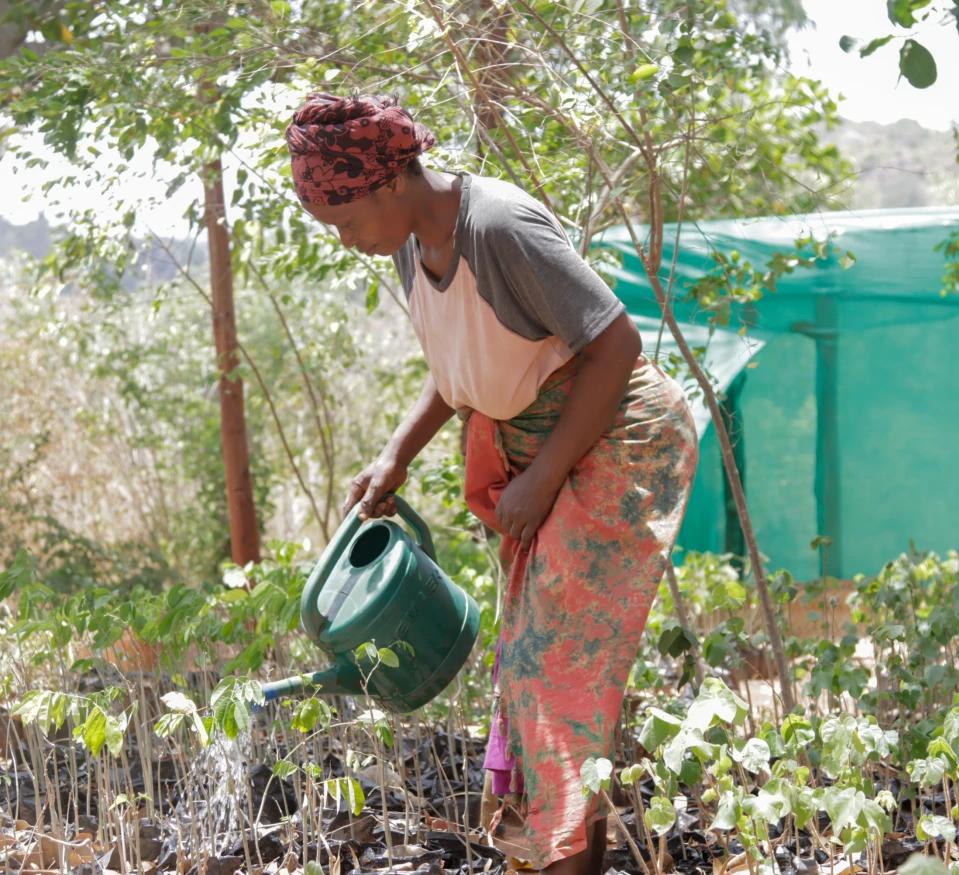
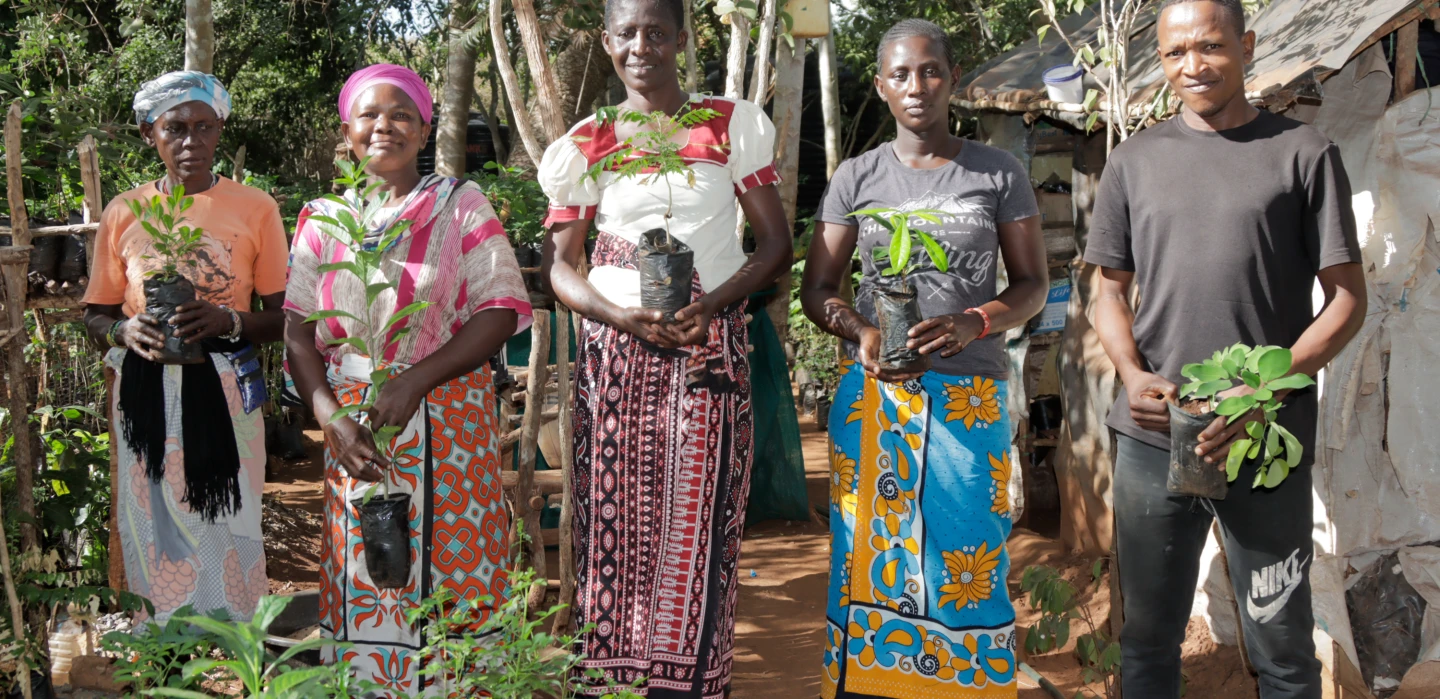
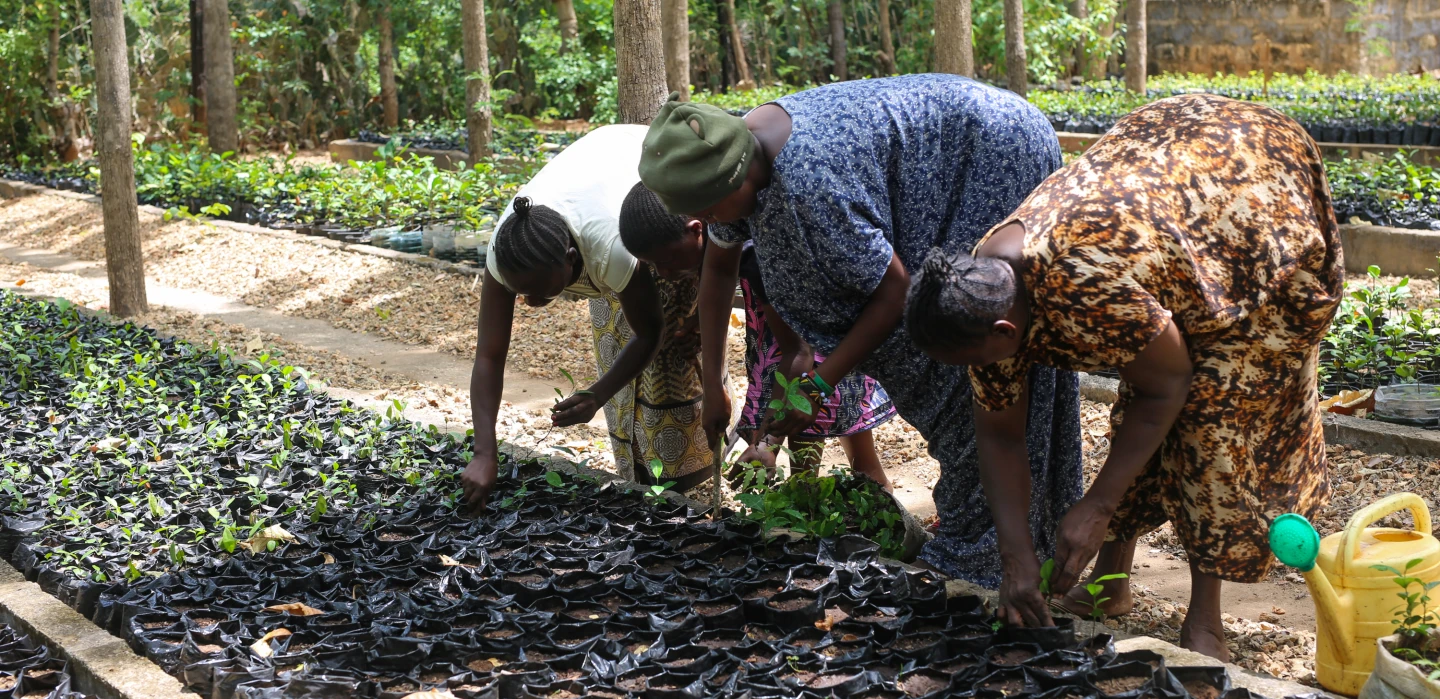
Kaya Connect, launched in 2022 in Kilifi County, offers a different model: restoration for people and biodiversity. Phase one (2022–2025) produced 435,000 seedlings of 180 native species, restored 180 hectares, planted natives on 2,860 hectares of farmland, created 141 jobs, and supported 11 nurseries. It also influenced policy by integrating biodiversity into Kilifi’s forest management strategy.
The next phase will scale this impact to Kwale and Tana River, addressing root causes of forest loss by:
- Expanding ecological restoration and reconnecting forest patches.
- Strengthening community forest management systems.
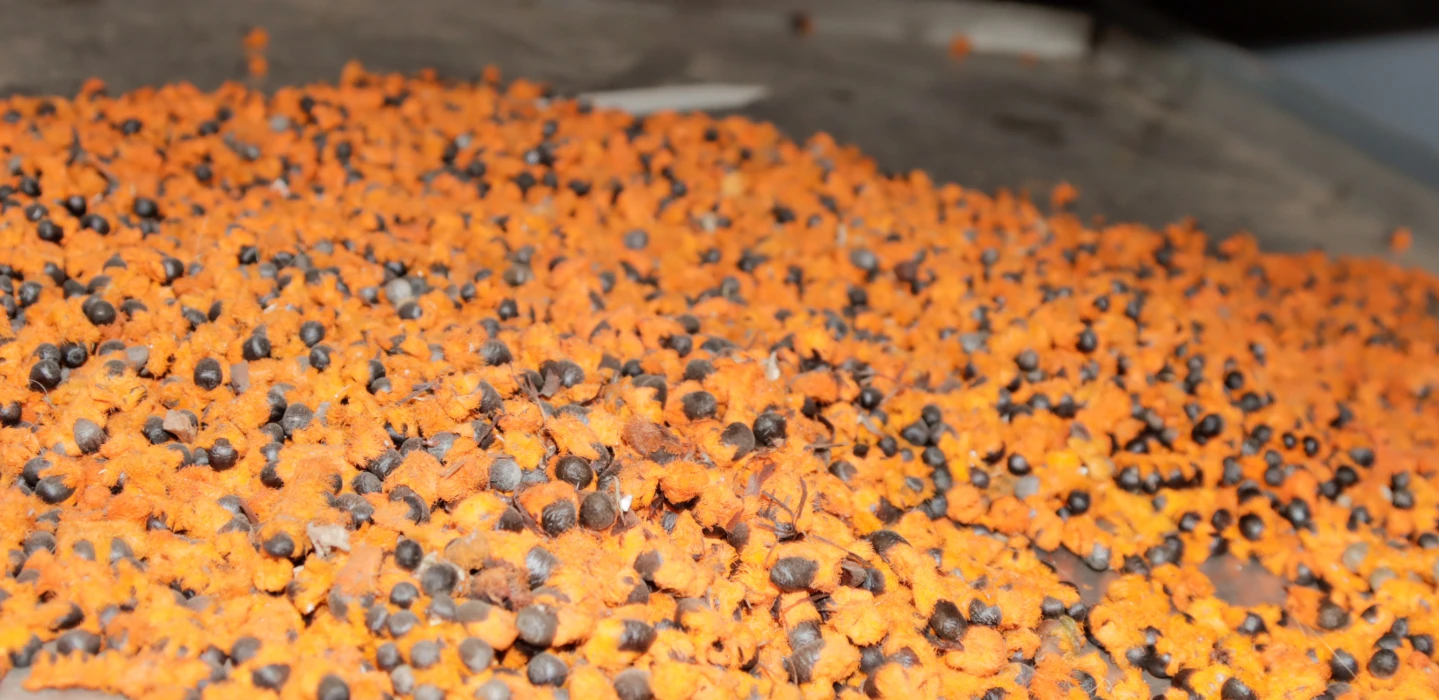
- Supporting livelihoods through seed collection, nurseries, and restoration enterprises.
- Promoting cultural stewardship with Kaya elders (the traditional custodians of the Kaya forests) alongside schools and community groups.
- Driving sustainability through awareness, mapping, and diversified funding.
This approach bridges ecological and economic goals, ensuring forests thrive alongside the communities that depend on them.