Protecting indigenous peoples means safeguarding their ancestral knowledge and sustainable practices, which are essential to the balance of forest ecosystems.
The Peruvian Amazon, which extends over 750,000 km2 and covers more than 60% of the country’s territory, is one of the 36 biodiversity hotspots worldwide. This region is the most biologically rich on the planet, home to over 34,000 plant and animal species, half of which are endemic. It contains around one sixth of the world’s flora, making it the world’s leading hotspot for plant diversity. Its cultural wealth is also remarkable, with 51 indigenous peoples.
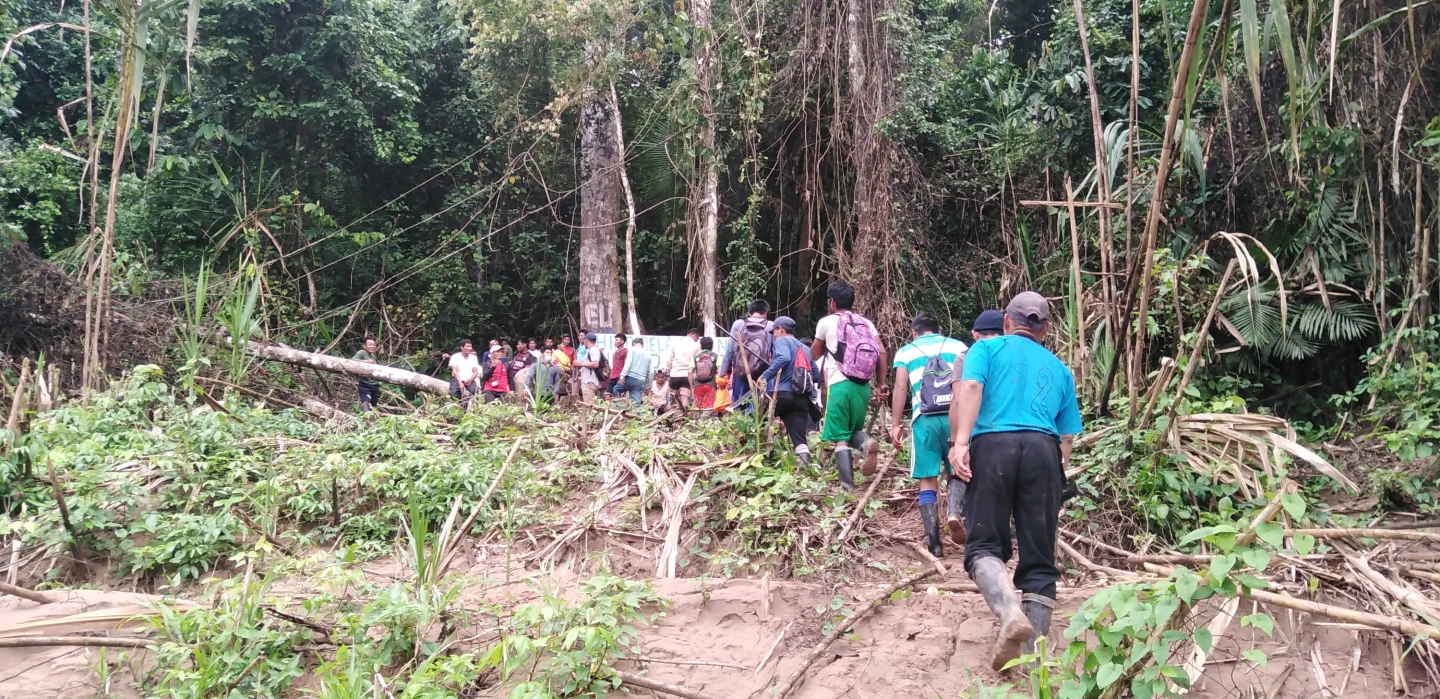
Despite this importance, the ecosystem and its inhabitants face numerous threats. In the Gran Pajonal, an isolated region in the centre of the Peruvian Amazon historically inhabited by the Asháninka people, deforestation is accelerating as a result of the arrival of settlers and the pressures of logging.
These invasions often lead to destructive practices: intensive farming, illegal coca plantations and logging. The environmental impacts are considerable. According to Peru’s National Forest Conservation Programme, the Raymondi district has seen the greatest loss of forest cover in the country. Yet it is recognised that the indigenous populations are the best guardians of the forest.
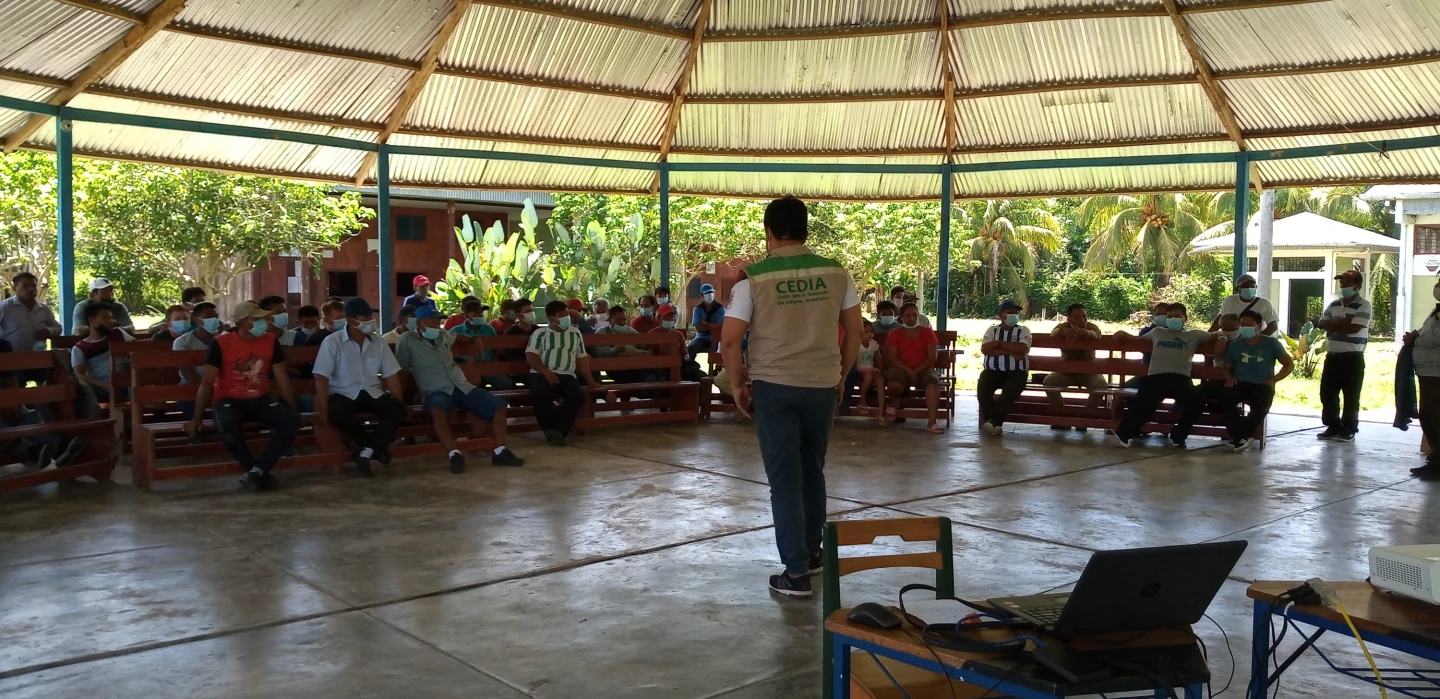
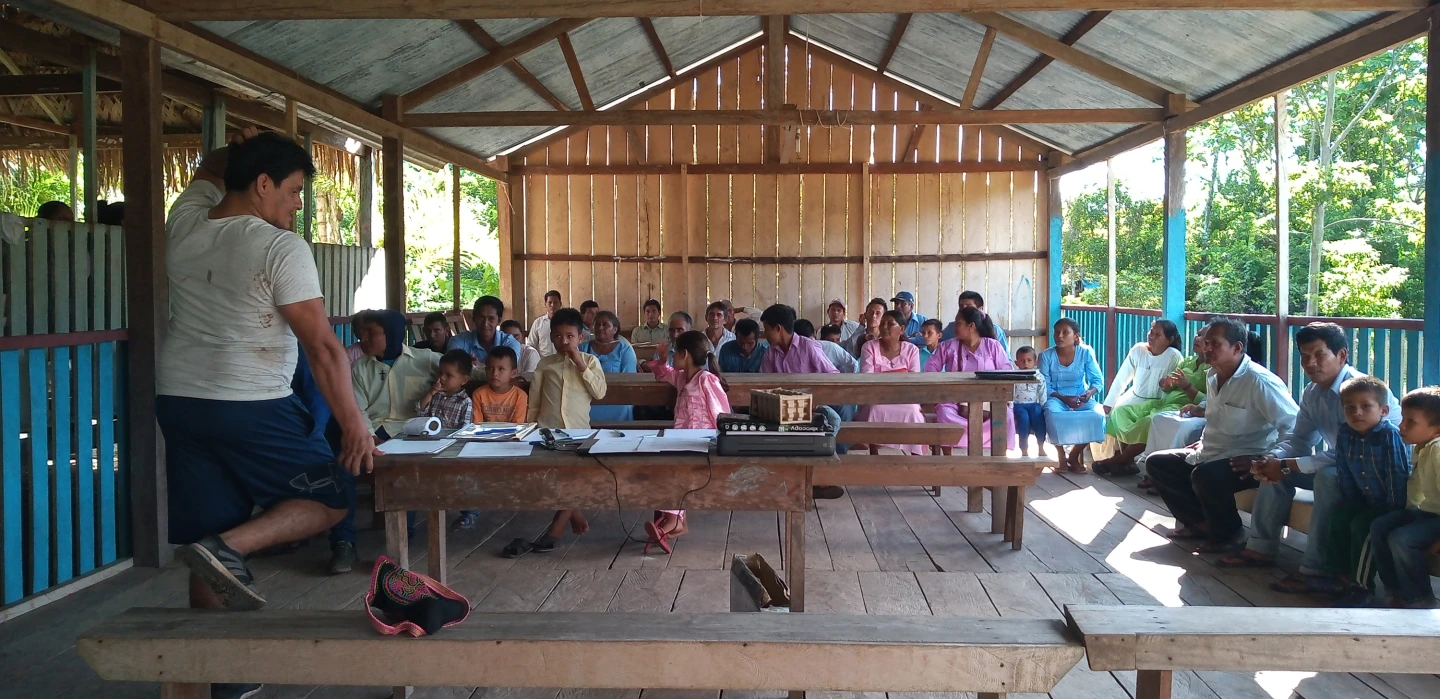
Nouvelle Planète has been working in the Peruvian Amazon for over 30 years with its local partner CEDIA (Centre for the Development of Indigenous Peoples of the Amazon). The Asháninka communities of Gran Pajonal are behind the project supported by the Audemars Piguet Foundation for Trees and aim to make a real difference by actively collaborating with CEDIA and Nouvelle Planète.
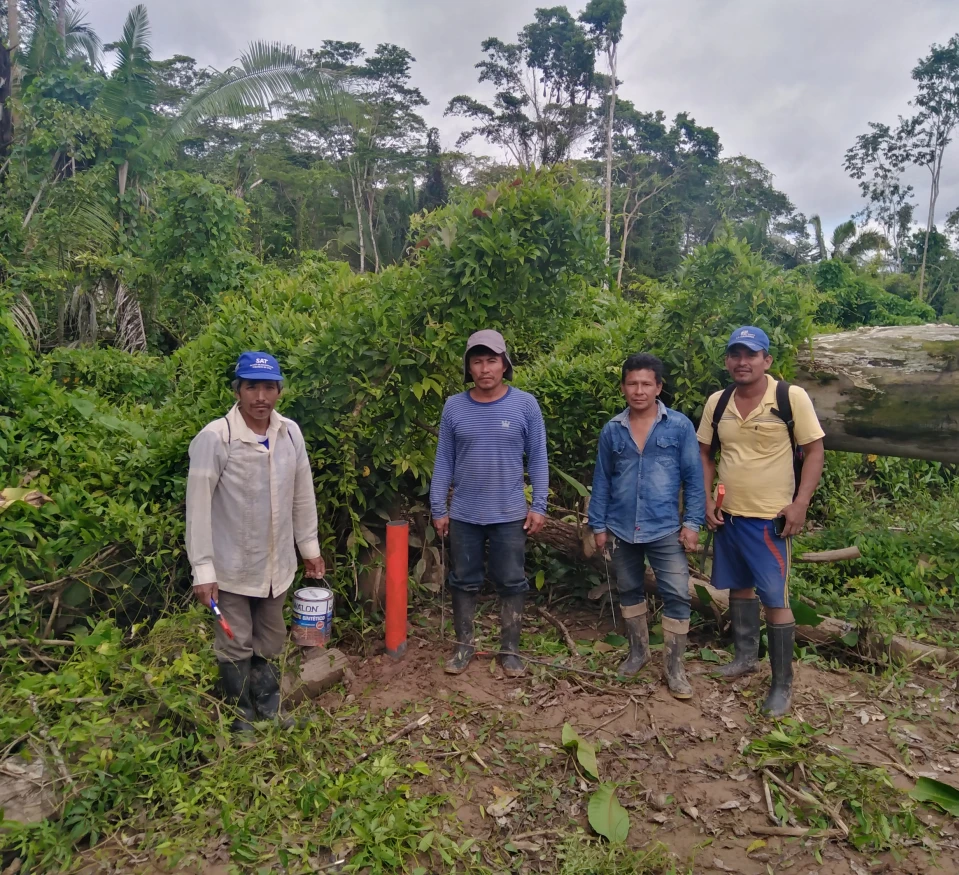
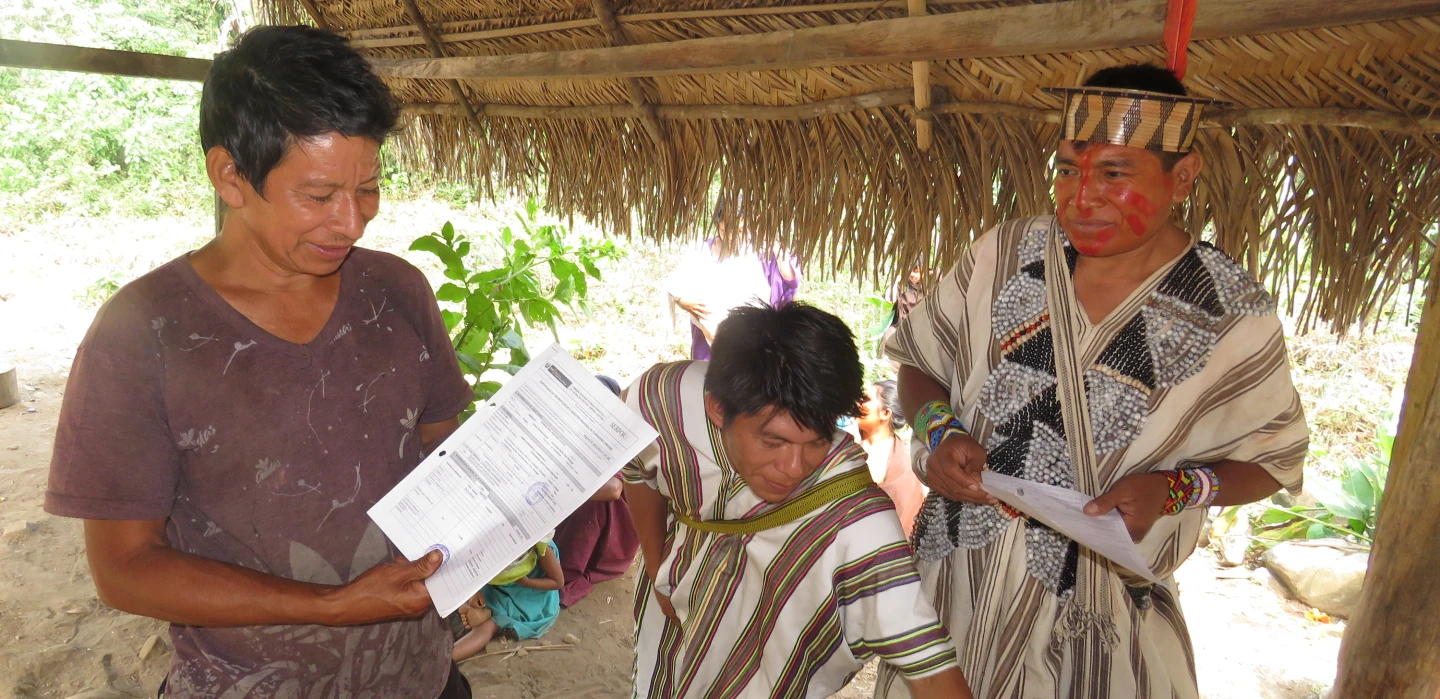
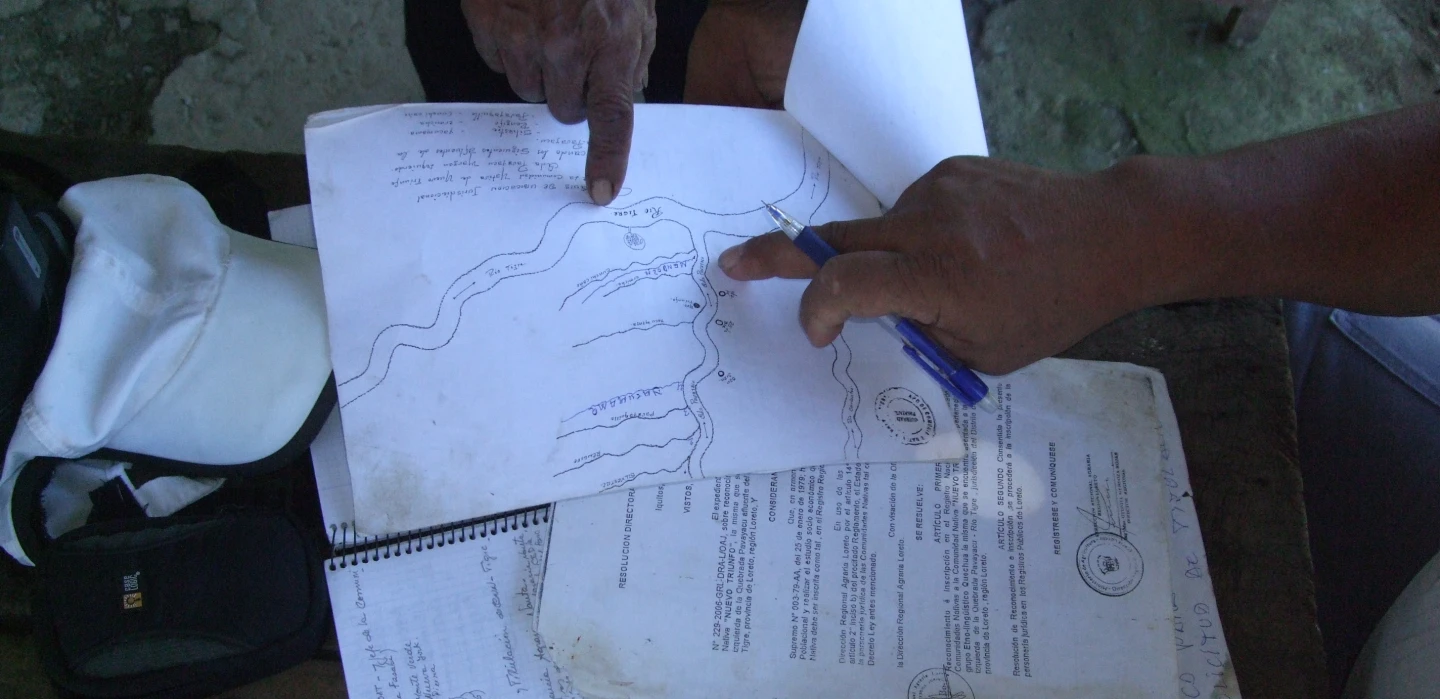
Consolidating the territorial rights of the Amazonian peoples is essential for their autonomy and to strengthen their role as protectors of the forest. The project also aims to support their efforts to combat logging and preserve the Amazon rainforest. Protecting these communities also means safeguarding their ancestral knowledge and sustainable practices, which are essential to the balance of this unique ecosystem.